Two Strategies, One Funnel
Every B2B marketing team eventually faces the same question: should the focus be on building awareness or driving conversions? The answer is both applied at different stages of the buyer's journey. Demand generation creates awareness, educates potential buyers, and builds interest among audiences who aren't yet ready to make a purchase, while lead generation converts that interest into qualified leads and meaningful sales conversations once buying intent is established. Treating these as competing strategies is where many businesses go wrong. Rather than being interchangeable, demand generation and lead generation work together as sequential stages of the same marketing funnel, creating a balanced strategy that drives both immediate results and long-term pipeline growth.
What Is Demand Generation?
Demand generation is the process of creating awareness, building trust, and generating interest in your brand long before potential customers are ready to make a purchase. Rather than focusing on immediate conversions, it delivers value through educational content, industry insights, thought leadership, webinars, social media engagement, and community building to establish credibility and keep your brand top of mind. As a top-of-the-funnel marketing strategy, demand generation is measured by long-term growth indicators such as brand awareness, organic traffic, content engagement, branded search volume, and the steady expansion of your inbound pipeline, laying the foundation for future lead generation and sales.
Content-led demand generation also tends to be efficient: content marketing generates roughly three times as many leads as traditional marketing while costing less, with an average cost per lead around $92 a strong argument for treating demand gen as a long-term investment rather than a soft, unmeasurable cost center.

Key Objectives of Demand Generation
Before any lead can be captured, potential customers need to recognize, understand, and trust a brand. Demand generation focuses on building this foundation by educating audiences, increasing visibility, and nurturing relationships throughout the early stages of the buying journey. Its primary objectives include:
Increase Brand Awareness: Expand your brand's reach and ensure it remains visible to the right audience across multiple marketing channels.
Educate Prospects: Provide valuable insights and educational content that help potential customers understand their challenges and available solutions.
Build Trust and Credibility: Establish your brand as an industry authority through consistent thought leadership, expert content, and meaningful engagement.
Engage Buyers Early: Interact with prospects during the awareness and consideration stages, keeping your brand top of mind before they are ready to purchase.
Support Future Lead Generation: Create a pipeline of informed and interested prospects who are more likely to convert into qualified leads when they enter the buying stage.
Core Demand Generation Activities
Demand generation combines multiple marketing efforts to attract, educate, and engage potential customers throughout the early stages of their buying journey. The most impactful activities include:
Content & SEO Marketing: Create valuable blogs, guides, videos, and case studies optimized for search engines to increase visibility and educate your target audience.
Thought Leadership & Educational Events: Share industry insights through expert content, webinars, podcasts, and virtual events to establish credibility and build trust.
Social Media & Community Engagement: Use social platforms, online communities, and consistent audience interaction to strengthen brand awareness and foster long-term relationships.
Email Nurturing & Brand Awareness Campaigns: Keep prospects engaged with newsletters and targeted campaigns while using paid promotions to expand reach and stay top of mind.
What Is Lead Generation?
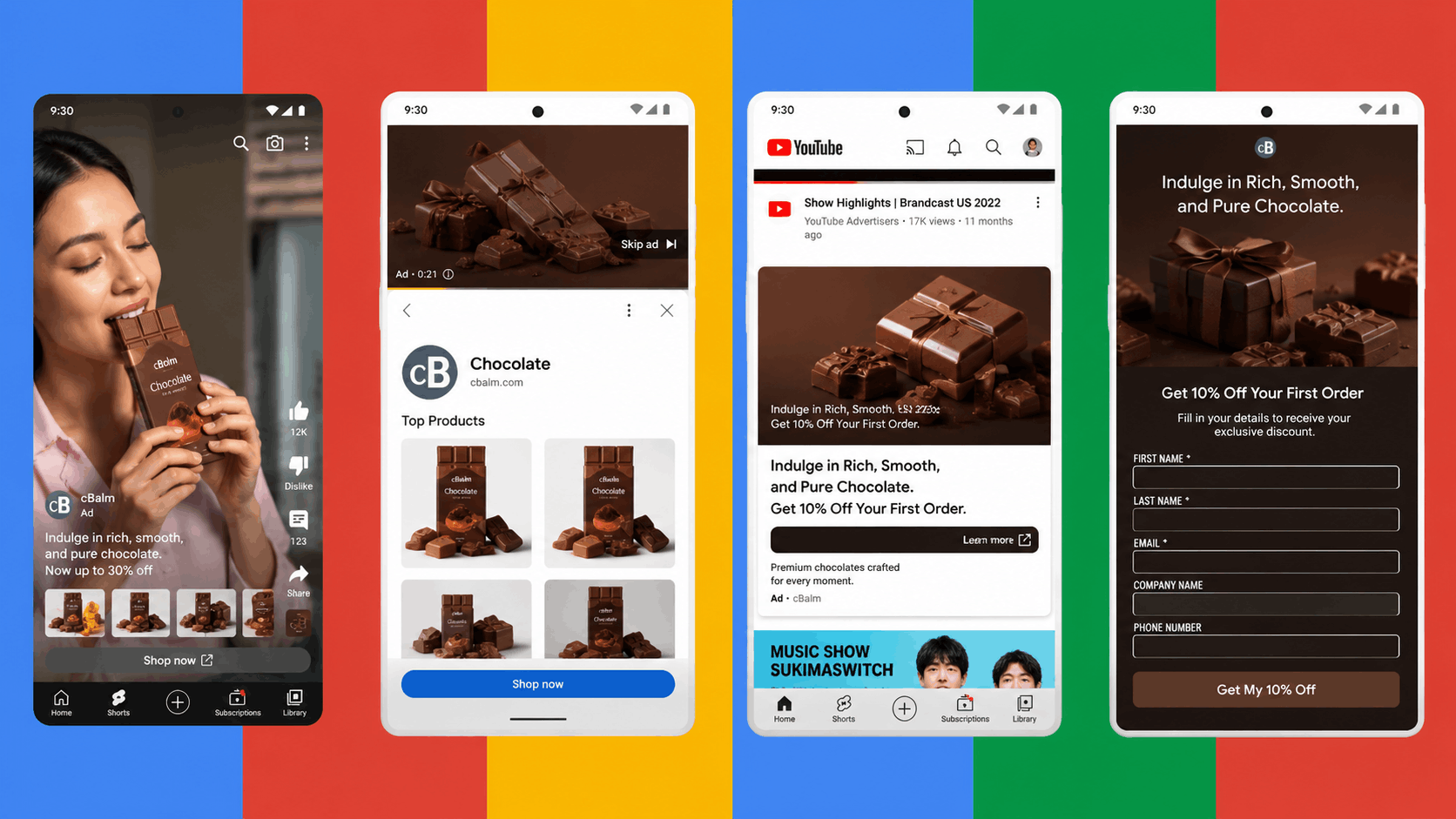
Lead generation is the process of converting interested prospects into qualified leads by capturing their contact information and identifying their purchase intent. It begins after demand generation has created awareness and engagement, using tactics such as gated content, demo requests, webinar registrations, contact forms, targeted campaigns, and lead magnets to encourage prospects to take action. The goal is to move potential customers further down the sales funnel and provide sales teams with high-quality opportunities that are more likely to convert into customers.
Key Objectives of Lead Generation
Once prospects are aware of your brand and have shown interest, the next step is to convert that interest into measurable business opportunities. Lead generation focuses on capturing, qualifying, and nurturing prospects so sales teams can engage with the right people at the right time. Its primary objectives include:
Capture Qualified Leads: Collect contact information from prospects who have demonstrated genuine interest in your products or services.
Qualify Prospects: Identify leads based on their interest, behavior, and fit to ensure sales teams focus on high-potential opportunities.
Nurture Leads: Build relationships through personalized communication and relevant content until prospects are ready to make a purchase.
Increase Conversions: Encourage prospects to take desired actions, such as requesting a demo, booking a consultation, or downloading gated content.
Support Sales Growth: Deliver a consistent pipeline of sales-ready leads that contribute to revenue and business growth.
Core Lead Generation Activities
Lead generation uses targeted marketing tactics to capture prospect information and guide potential customers toward conversion. The most effective activities include:
Landing Pages & Lead Magnets: Offer valuable resources such as eBooks, whitepapers, templates, or free tools through optimized landing pages in exchange for contact details.
Forms, CTAs & Conversion Campaigns: Use compelling calls-to-action, contact forms, demo requests, free trials, and webinar registrations to encourage prospects to take action.
Email Nurturing & Lead Qualification: Engage captured leads with personalized email campaigns, automation workflows, and lead scoring to identify sales-ready prospects.
Paid Advertising & Retargeting: Drive high-intent traffic through search, social media, display ads, and retargeting campaigns to generate and convert qualified leads.
Demand Generation vs. Lead Generation: A Side-by-Side Comparison
While demand generation and lead generation are often used interchangeably, they serve distinct roles within a modern B2B marketing strategy. Demand generation focuses on creating market awareness, educating potential buyers, and building trust before purchase intent exists. Lead generation, on the other hand, activates that interest by capturing prospect information, qualifying intent, and moving potential customers into the sales pipeline. Understanding where each strategy fits in the buyer's journey helps marketing and sales teams allocate resources more effectively and build a predictable revenue engine.
| Aspect | Demand Generation | Lead Generation |
|---|
| Purpose & Funnel Stage | Creates awareness and educates prospects at the top of the funnel (TOFU) to generate interest before purchase intent exists. | Converts engaged prospects into qualified leads in the middle and bottom of the funnel (MOFU/BOFU). |
| Target Audience & Buyer Intent | Targets a broad audience with low to moderate buying intent, focusing on educating and nurturing potential customers. | Targets high-intent prospects who are actively evaluating solutions and are more likely to convert. |
| Success Metrics | Measured by brand awareness, organic traffic, content engagement, branded search volume, and audience growth. | Measured by qualified leads, conversion rates, cost per lead (CPL), sales-qualified leads (SQLs), and pipeline contribution. |
| Content & Marketing Tactics | Uses ungated content such as blogs, SEO, webinars, thought leadership, social media, and brand campaigns to build trust and visibility. | Uses gated content, landing pages, demo requests, webinars, email nurturing, and targeted campaigns to capture lead information. |
| Business Focus & Ownership | Marketing-led strategy focused on long-term brand equity, audience growth, and future demand creation. | Joint marketing and sales strategy focused on generating sales-ready opportunities and driving revenue growth. |
Why Demand Generation and Lead Generation Work Best Together
Demand generation and lead generation are complementary strategies rather than competing approaches. Demand generation creates awareness, builds credibility, and nurtures potential customers until they are ready to engage. Lead generation then captures that interest by encouraging prospects to take measurable actions, such as requesting a demo, downloading gated content, or booking a consultation.
A business that focuses only on lead generation often struggles with low-quality leads because prospects lack familiarity and trust in the brand. Conversely, investing only in demand generation without effective lead capture means losing valuable opportunities to convert engaged audiences into customers. The most successful marketing strategies combine both approaches using demand generation to build a strong pipeline of interested prospects and lead generation to convert that interest into qualified opportunities for the sales team.
Which Strategy Should You Prioritize?
The right approach depends on your business objectives, brand maturity, and current stage of growth.
If you're an early-stage or lesser-known brand, prioritize demand generation to build awareness, establish credibility, and attract your target audience before focusing heavily on conversions.
If your brand already attracts consistent traffic but struggles to convert visitors into customers, invest more in lead generation by optimizing landing pages, forms, lead magnets, and nurturing campaigns.
If you're a growing business looking for sustainable growth, implement both strategies together. Demand generation continuously fills the top of the funnel with engaged prospects, while lead generation converts that demand into qualified leads and revenue, creating a scalable and predictable growth engine.
Final Takeaway
Demand generation and lead generation are two essential parts of a complete growth strategy. Demand gen creates interest by educating and engaging the market early in the buyer journey, building awareness, trust, and long-term brand recall. Lead gen then captures that interest at the right moment and converts it into actionable leads through tactics like landing pages, gated content, ads, and forms. In simple terms: demand gen builds attention and intent, and lead gen converts that intent into measurable opportunities both are critical for consistent, scalable revenue growth.
Building both sides of this funnel takes coordinated content, SEO, and campaign execution see how Levrez's lead generation and prospecting services can help you build a full-funnel strategy.
Need help building a full-funnel demand and lead gen strategy? Book a free consultation with Levrez.