Why Comparing GEO and Traditional SEO Matters
Most businesses don't have to choose between SEO and GEO they serve different goals and work best together. For years, Traditional Search Engine Optimization (SEO) has helped businesses improve their rankings on search engines like Google and attract organic website traffic. Today, however, the rise of
AI-powered search experiences and generative search engines has transformed how users discover information. Instead of simply presenting a list of web pages, AI platforms generate direct, conversational answers by analyzing and referencing trusted content from across the web. This shift has given rise to Generative Engine Optimization (GEO), a strategy focused on making content understandable, credible, and reference-worthy for AI systems. Comparing GEO and Traditional SEO helps businesses understand how these approaches differ, where they overlap, and how they can work together to maximize visibility across both traditional search results and AI-generated responses. As search continues to evolve, adopting the right optimization strategy or a combination of both will be essential for sustainable online growth.
What Is Traditional SEO?
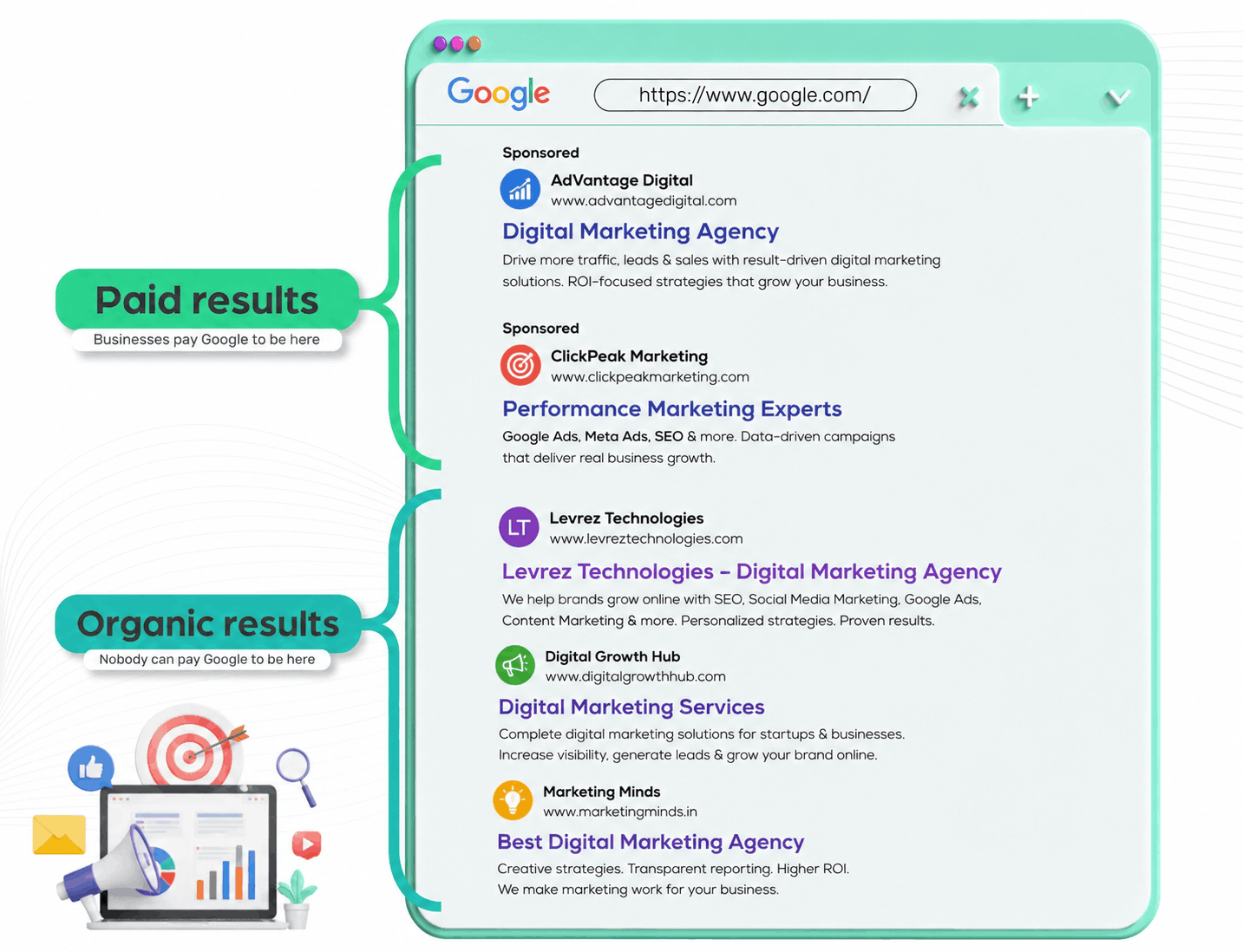
Traditional Search Engine Optimization (SEO) is the practice of optimizing a website to improve its visibility in search engine results pages (SERPs), helping businesses attract more organic, unpaid traffic. The primary goal of SEO is to ensure that search engines can effectively crawl, understand, index, and rank your content for relevant user queries. By aligning a website with search engine ranking factors and user intent, businesses can increase their online presence, drive qualified traffic, and generate long-term, sustainable growth.
A successful Traditional SEO strategy relies on several core optimization techniques, including:
Keyword Research: Identifying the terms and phrases your target audience searches for and strategically incorporating them into your content.
On-Page Optimization: Optimizing page titles, meta descriptions, headings, URLs, images, and content structure to improve relevance and user experience.
Internal Linking & Site Architecture: Creating a well-organized website structure that helps both users and search engine crawlers navigate content efficiently.
Schema Markup: Implementing structured data to help search engines better understand your content and enhance search result visibility with rich snippets.
Backlink Building & Domain Authority: Earning high-quality backlinks from reputable websites to strengthen credibility, trust, and search rankings.
Search engines such as Google continuously crawl and index billions of web pages before ranking them using sophisticated algorithms. These algorithms evaluate numerous factors including content relevance, keyword optimization, backlink quality, domain authority, page speed, mobile usability, technical SEO, and overall user experience to determine which pages best answer a user's query. The result is a structured list of ranked web pages, where users choose the resource they want to visit. While rankings may vary slightly due to personalization, location, and algorithm updates, Traditional SEO remains focused on achieving higher positions in these search results to maximize visibility and organic traffic.
What Is Generative Engine Optimization (GEO)?
Generative Engine Optimization (GEO) is the practice of optimizing a brand, website, or content so that
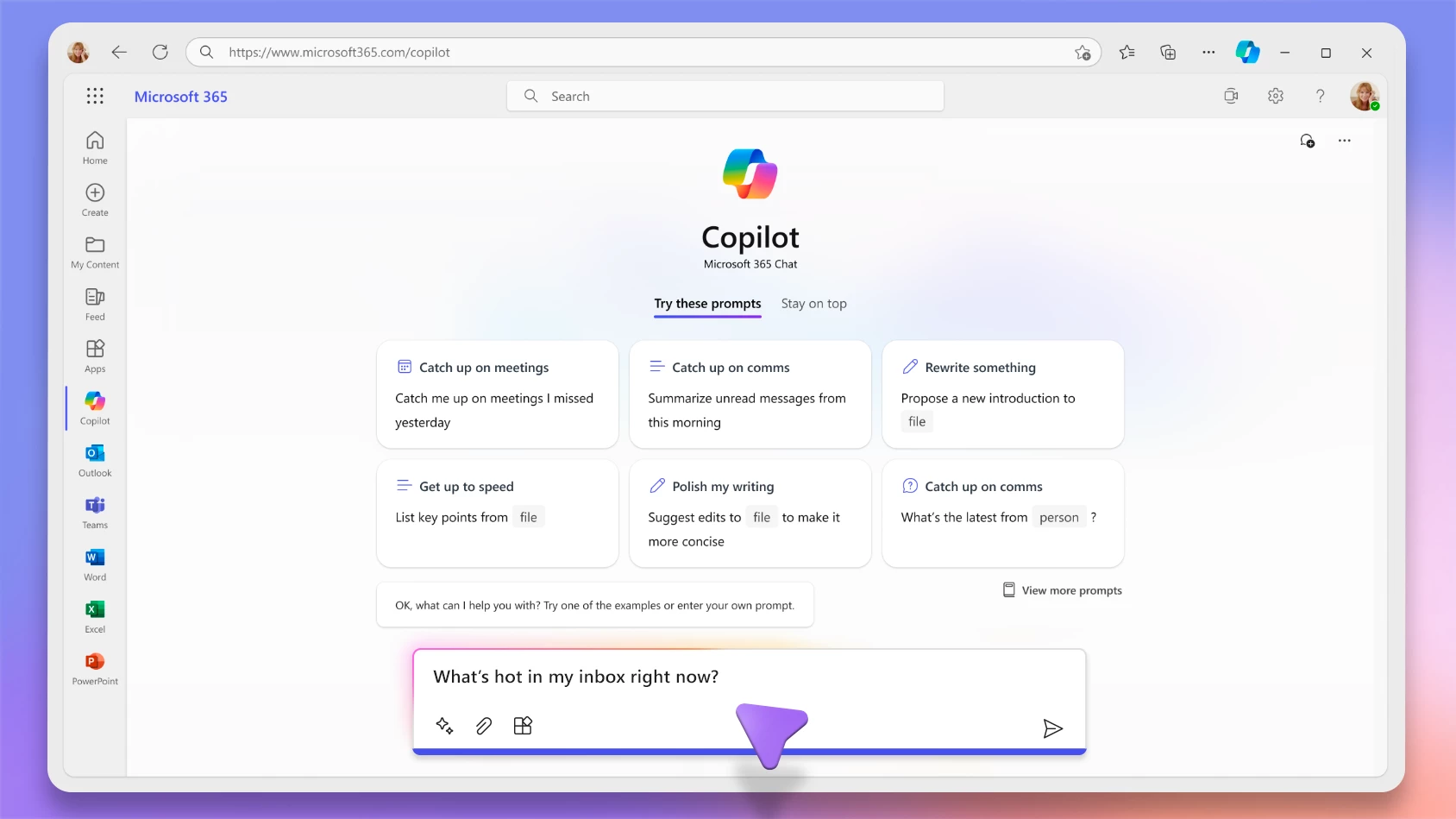
AI-powered search engines and conversational platforms such as ChatGPT, Gemini, Perplexity, Google AI Overviews, and Microsoft Copilot can easily understand, reference, summarize, and recommend it within AI-generated responses. Unlike Traditional SEO, which focuses on improving rankings in search engine results pages (SERPs), GEO is designed to increase a brand's visibility in AI-generated answers, where users receive direct, conversational responses instead of a list of web links.
Modern AI systems rely on large language models (LLMs) that interpret the intent behind a user's question rather than simply matching keywords. These models analyze context, evaluate information from multiple trusted sources, and generate comprehensive answers in real time. Many AI platforms also combine live search data with their language models to provide accurate and up-to-date responses, making content quality, credibility, and freshness more important than ever.
To improve visibility in AI-generated search experiences, an effective GEO strategy focuses on:
Clear, Conversational Content: Write content that is factual, well-structured, easy to understand, and answers user questions naturally.
AI-Friendly Content Structure: Organize information with descriptive headings, concise paragraphs, lists, tables, and structured formatting that AI systems can easily interpret and summarize.
Topical Authority & Brand Credibility: Build trust by publishing high-quality, expert content and maintaining a consistent presence across authoritative platforms such as Wikidata, Crunchbase, LinkedIn, industry publications, and other trusted sources.
Fresh & Continuously Updated Content: Regularly update content with the latest information, statistics, and insights, as AI-powered search systems increasingly prioritize accurate and current information when generating responses.
As AI becomes a primary way people discover information online, GEO helps businesses ensure their content is not only searchable but also trustworthy, contextually relevant, and likely to be cited or recommended by the next generation of AI-powered search experiences.
Why This Distinction Matters Now
The search landscape is evolving rapidly as AI-powered search experiences become increasingly mainstream. Instead of simply displaying a list of web pages, platforms like Google AI Overviews, ChatGPT, Gemini, Perplexity, and Microsoft Copilot are providing users with direct, conversational answers by synthesizing information from multiple trusted sources. This shift is already measurable: one industry analysis of 300,000 keywords found that when an AI Overview appears above the traditional results, the top-ranking organic listing loses more than half its clicks compared to searches without one. This shift makes the distinction between Traditional SEO and Generative Engine Optimization (GEO) more important than ever. While Traditional SEO helps your website rank higher in search engine results and drive organic traffic, GEO ensures your content is structured, authoritative, and trustworthy enough to be understood, referenced, and recommended by AI systems. In the modern search ecosystem, ranking well is no longer the only measure of visibility being cited in AI-generated answers is becoming equally valuable. Businesses that embrace both SEO and GEO will be better positioned to maintain visibility, build credibility, and reach customers throughout every stage of their search journey.
Where SEO and GEO Overlap
While Traditional SEO and Generative Engine Optimization (GEO) have different end goals, they are built on many of the same best practices. A strong SEO foundation naturally supports GEO because both approaches reward high-quality, trustworthy, and well-structured content. Businesses that consistently create valuable content and establish topical authority are more likely to succeed in both traditional search results and AI-generated responses.
Key Areas of Overlap:
High-Quality Content: Both SEO and GEO prioritize content that is accurate, valuable, and designed to satisfy user intent.
Clear Content Structure: Well-organized pages with headings, bullet points, tables, and FAQs make content easier for both search engines and AI models to understand.
Topical Authority: Publishing comprehensive content around related topics helps establish expertise and improves visibility across search engines and AI platforms.
Original Research & Insights: Unique data, case studies, and proprietary research increase credibility, attract backlinks, and improve the likelihood of AI citations.
User-Focused Writing: Content that provides direct, concise, and helpful answers performs well in featured snippets, search results, and AI-generated summaries.
Technical Best Practices: Fast-loading pages, mobile-friendly design, structured data, and strong site architecture benefit both SEO performance and AI discoverability.
Where SEO and GEO Differ
Although they share a common foundation, SEO and GEO differ in how content is optimized, discovered, and measured. Traditional SEO is focused on improving rankings in search engine results pages (SERPs) to drive website traffic, whereas GEO is designed to help brands become trusted sources that AI platforms reference when generating answers. As AI-powered search continues to evolve, businesses need to optimize not only for search engine rankings but also for AI visibility and citations.
| Comparison Factor | Traditional SEO | Generative Engine Optimization (GEO) |
|---|
| Primary Objective | Improve search rankings and drive organic traffic to a website | Increase visibility and citations within AI-generated responses |
| Success Metrics | Rankings, clicks, impressions, backlinks, and traffic | AI citations, brand mentions, share of AI visibility, and business impact |
| User Journey | Encourages users to click through to a website | Delivers answers directly within AI interfaces, reducing the number of website visits but potentially improving their quality |
| Content Optimization | Relies heavily on keywords and search intent | Prioritizes contextual, conversational, and answer-first content |
| Authority Signals | Built primarily through backlinks and domain authority | Emphasizes brand credibility, expert authorship, trusted third-party mentions, and consistent digital presence |
| Platform Optimization | Primarily targets search engines like Google and Bing | Requires adapting content for multiple AI platforms, each with its own retrieval methods and citation behavior |
Conclusion
Traditional SEO and Generative Engine Optimization (GEO) are no longer separate strategies they are complementary pillars of modern search optimization. While SEO helps your website rank higher and drive organic traffic, GEO ensures your content is understood, cited, and recommended by AI-powered search platforms. As user behavior continues to shift toward AI-generated search experiences, businesses that combine strong SEO fundamentals with AI-ready content will be best positioned to maximize visibility, build authority, and stay competitive across both traditional search engines and the future of AI-driven discovery.