Introduction
LinkedIn has become the world's largest professional networking platform, with more than 900 million members worldwide. Even more importantly for businesses, around 80% of B2B social media leads originate from LinkedIn, making it the most effective platform for organic B2B lead generation. Unlike other social networks where users primarily seek entertainment, LinkedIn users actively look for industry insights, professional connections, business solutions, and potential partners creating an environment with strong purchase intent.
The best part? You don't need a paid advertising budget to generate qualified leads. By optimizing your profile, creating valuable content, engaging with the right audience, and building meaningful relationships, you can consistently attract decision-makers and convert visibility into business opportunities. In this guide, you'll learn how to build a sustainable organic LinkedIn lead generation strategy from creating a profile that inspires trust and understanding how the LinkedIn algorithm prioritizes content, to choosing high-performing content formats and turning engagement into genuine sales conversations.
Why This Guide Matters
Many businesses believe that generating leads on LinkedIn requires a large advertising budget. In reality, some of the highest-performing B2B brands generate the majority of their opportunities through organic content, relationship-building, and thought leadership.
In this guide, you'll learn how to:
Optimize your LinkedIn profile to attract the right audience.
Understand how the current LinkedIn algorithm ranks content.
Choose content formats that maximize reach and engagement.
Build a high-quality network of decision-makers.
Convert content engagement into qualified sales conversations.
Scale your reach through employee advocacy.
Track the metrics that actually drive business growth.
By the end of this guide, you'll have a complete framework for building a predictable B2B lead generation engine on LinkedIn without relying on paid advertising.
Organic LinkedIn marketing builds trust before the first sales conversation ever happens. Instead of interrupting prospects with promotional messages, organic content helps establish credibility by consistently sharing valuable insights, expertise, and real-world experiences. By the time a potential customer reaches out, they're often already familiar with your brand and confident in your capabilities.
This trust-first approach leads to significantly stronger conversion rates than traditional cold outreach. While paid campaigns are effective for scaling visibility, organic engagement attracts decision-makers who have chosen to interact with your content, making them far more likely to start meaningful conversations and progress through the sales funnel. Rather than competing for attention with advertisements, you're building relationships over time creating a pipeline of qualified leads who already view your business as a trusted authority in your industry.
Organic LinkedIn vs. Paid LinkedIn for B2B
| Organic LinkedIn | Paid LinkedIn |
|---|
| Builds credibility through consistent expertise | Creates immediate visibility through sponsored campaigns |
| Attracts prospects who actively engage with your content | Targets audiences based on campaign settings |
| Generates long-term, compounding results | Produces results while the advertising budget is active |
| Strengthens both personal and company brand authority | Primarily promotes specific offers or campaigns |
| Encourages relationship-driven conversations | Focuses on lead acquisition and campaign performance |
| Delivers sustainable inbound opportunities over time | Best suited for accelerating short-term marketing goals |
Organic and paid LinkedIn strategies are not competitors they complement each other. Paid campaigns can accelerate awareness and demand generation, while organic content builds the credibility and trust that help convert prospects into long-term customers. Businesses that combine both approaches often achieve stronger and more sustainable B2B growth.
Step 1: Build a Profile That Converts Before You Post Anything
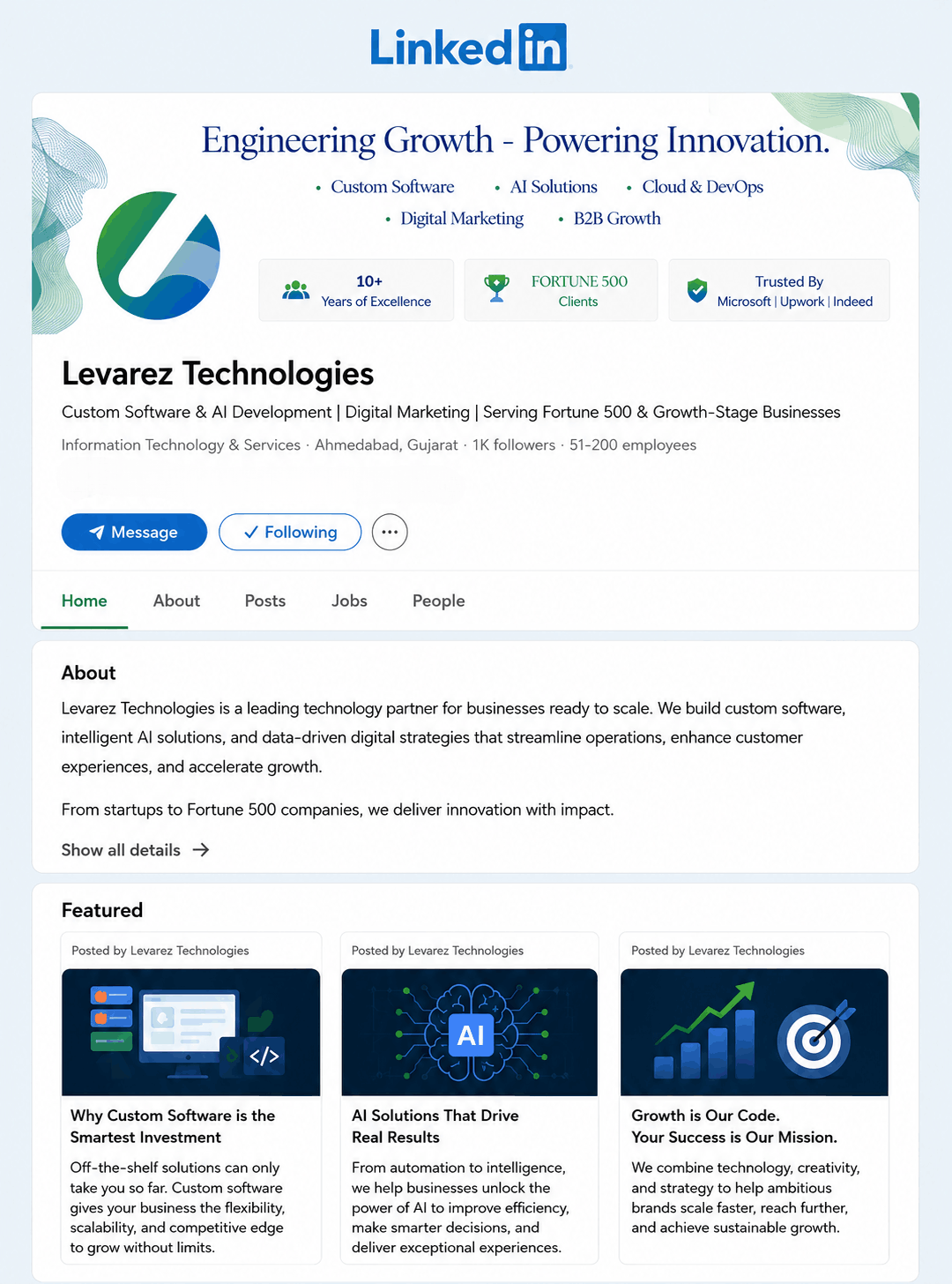
Your LinkedIn profile isn't just an online resume it's the landing page that every piece of content, comment, and connection request eventually leads back to. Before investing time in content creation or outreach, make sure these four key elements are optimized to convert profile visitors into potential leads.
1. Headline: Replace Your Job Title with a Clear Value Proposition
Your LinkedIn headline is one of the first things people notice, and it plays a major role in both profile visibility and first impressions. Rather than simply listing your job title, use this space to communicate the specific value you provide and the audience you help. A strong headline tells potential clients, partners, or employers exactly what problem you solve and why they should connect with you.
Instead of:
Marketing Director at XYZ
Use something like:
Helping B2B SaaS Companies Generate More Qualified Leads Through LinkedIn Content | Marketing Director at XYZ
This approach shifts the focus from who you are to what results you deliver. Your headline should immediately answer the question every profile visitor is asking:
"How can this person help me?"
Include your target audience, the outcome you create, and, if relevant, your current role or company. A concise, benefit-driven headline makes your profile more memorable, improves search visibility, and encourages the right people to engage with you.
2. About Section
Your About section serves two important purposes: it's indexed by LinkedIn's search algorithm and helps visitors understand your expertise.
Include the keywords your ideal clients are likely to search for, but don't begin with a list of job titles or achievements. Instead, lead with the problems you solve, explain your approach, and clearly communicate the value you deliver.
3. Featured Section
The Featured section appears near the top of your profile before most visitors even begin scrolling yet many professionals leave it empty.
Use this valuable space to showcase your best assets, such as:
Treat it as a portfolio that reinforces your credibility and encourages visitors to take the next step.
4. Profile Photo & Banner
A professional profile photo is one of the strongest trust signals on LinkedIn and should be considered essential.
Your banner image is equally important. Rather than using a generic stock image, use this space to reinforce your personal brand with:
A clear value proposition
The industries you serve
Key services or expertise
A simple call-to-action
Your website or contact information (if appropriate)
Think of your banner as a billboard that instantly tells visitors who you help and why they should connect with you.
Step 2: Understand How LinkedIn's Algorithm Actually Ranks Content Right Now
This is where most B2B teams go wrong. LinkedIn's ranking system has changed significantly, and strategies based on 2023–2024 assumptions such as prioritizing likes and shares or limiting posting frequency are now working against creators. Here's what actually drives organic distribution today:
Dwell time is the strongest quality signal. LinkedIn now prioritizes how long users spend reading or watching your content before scrolling. Posts that hold attention consistently outperform those that generate quick reactions. A post read for 30+ seconds can outperform one with 50 quick likes.
Comments carry the highest engagement value. Comments are significantly more influential than likes, with several industry analyses suggesting they can have up to 15× the algorithmic weight. A post with 50 meaningful comments can outperform one with 500 likes.
The first 60 minutes determine initial reach. Early engagement velocity particularly comments and reactions during the first hour strongly influences whether LinkedIn expands a post's distribution. Responding to comments promptly during this window can further increase visibility and overall engagement.
External links reduce organic reach. Posts containing off-platform links typically receive significantly lower distribution than native content. Even placing the link in the first comment, once considered a workaround, is now believed to limit reach. Instead, deliver value directly within the post and share external resources only as a secondary step if necessary.
Posting more frequently does not reduce reach. Contrary to outdated advice, publishing content consistently does not trigger algorithmic penalties. Research analyzing millions of LinkedIn posts indicates that accounts posting 11 or more times per week often achieve substantially higher engagement than those posting only once a week. Consistent visibility compounds over time.
Engagement pods are actively detected and penalized. LinkedIn has become increasingly effective at identifying coordinated engagement patterns. Reciprocal engagement groups and pods can reduce organic visibility and may even result in shadow banning, making them a high-risk strategy.
Step 3: Choose Content Formats That Actually Perform
The type of content you publish is just as important as the message itself. LinkedIn's algorithm favors posts that keep users on the platform for longer, making content formats that encourage reading, swiping, or watching more likely to receive greater organic reach. A balanced content strategy that combines multiple formats will help you engage different audience segments while maximizing visibility.
Document Carousels (PDF Uploads): Carousels are currently one of the best-performing organic content formats on LinkedIn. Each swipe acts as an engagement signal, increasing dwell time and improving the likelihood of wider distribution. They're ideal for sharing step-by-step guides, frameworks, industry reports, case studies, checklists, and educational content. Studies suggest carousels can generate 2–3× higher dwell time than text-only posts, with readers spending approximately 55 seconds engaging with them.
Native Short-Form Videos: Videos uploaded directly to LinkedIn typically receive stronger reach than external video links. Keep videos between 15 and 30 seconds to maximize completion rates and engagement. Use them to share quick tips, product demonstrations, expert insights, behind-the-scenes content, or industry updates. Capturing attention within the first few seconds and including captions can significantly improve performance.
Text-Only Posts: Well-written text posts continue to be one of LinkedIn's strongest-performing content formats. A compelling opening line encourages readers to click "See more," increasing dwell time and signaling quality to the algorithm. Personal stories, practical advice, lessons learned, industry opinions, and actionable insights tend to generate meaningful discussions and higher engagement.
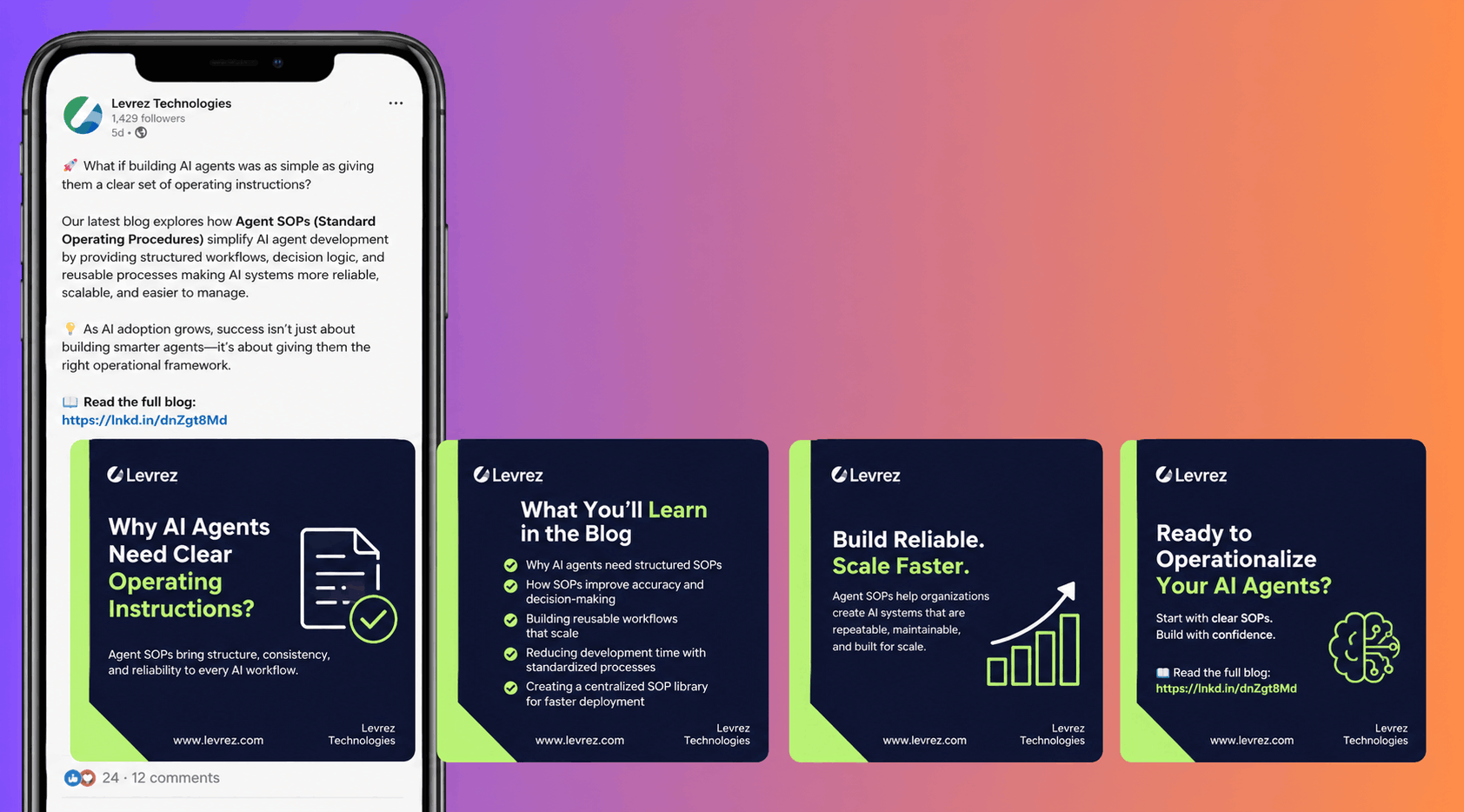
Single-Image Posts: While images can still attract attention, they generally perform best when paired with valuable written content. An image without meaningful context is less likely to generate strong engagement. Use single-image posts for announcements, event highlights, company culture, product showcases, or infographics, but always support them with informative and engaging copy.
Polls: Polls remain an effective way to spark conversations and gather audience insights. Ask relevant, industry-specific questions that encourage professionals to participate and share their perspectives in the comments. Although polls can generate quick engagement, they work best when used strategically rather than as a primary content format.
Recommended Post Length: Aim for 800–1,000 characters for most educational and thought leadership posts. This length provides enough depth to deliver valuable insights while remaining easy to read. Short posts under 100 words can still perform well when they feature a strong hook or a thought-provoking statement, but longer posts generally create more opportunities to increase reading time, demonstrate expertise, and encourage meaningful engagement.
Step 4: Build Your Network Strategically (Not Aggressively)
A strong LinkedIn network isn't built by sending hundreds of random connection requests it's built by consistently connecting with the right people. LinkedIn's algorithm increasingly rewards authentic networking behavior, meaning the quality of your connections and interactions matters far more than the size of your network. Focus on building relationships with professionals who are relevant to your industry, target audience, or business goals.
Understand LinkedIn's Dynamic Invitation Limits: LinkedIn no longer has a universal connection request limit. Most established accounts can typically send 100–200 connection requests per week, but the actual number varies based on your account health. Factors such as account age, profile completeness, connection acceptance rate, engagement history, and your Social Selling Index (SSI) all influence your invitation capacity. Importantly, Premium and Sales Navigator subscriptions do not automatically increase these limits.
New Accounts Should Build Credibility First: If your LinkedIn profile is new or has limited activity, expect lower invitation limits often around 20–30 connection requests per week. Instead of trying to grow quickly, focus on strengthening your profile, publishing valuable content, engaging with others' posts, and earning a healthy acceptance rate. As LinkedIn recognizes consistent, authentic activity, your sending capacity may gradually increase.
Personalize Every Connection Request: Whenever possible, include a short, relevant note explaining why you'd like to connect. Mention a shared industry, mutual interest, event, or piece of content you've enjoyed. Personalized invitations are more likely to be accepted and help establish genuine relationships from the very first interaction.
Maintain a Healthy Invitation History: Too many unanswered connection requests can negatively affect your account's reputation. Review your pending invitations regularly and withdraw requests that have remained unanswered for two to three weeks. Keeping your invitation list clean signals healthier networking behavior and may help preserve your ability to send future invitations.
Prioritize Quality Over Quantity: Sending hundreds of generic invitations rarely produces meaningful business results. Instead, identify decision-makers, potential clients, industry peers, and professionals who genuinely align with your goals. For example, 50 carefully targeted connection requests with a 60% acceptance rate are significantly more valuable than 200 random requests with only a 10% acceptance rate. Higher acceptance rates improve your credibility and contribute to stronger long-term network growth.
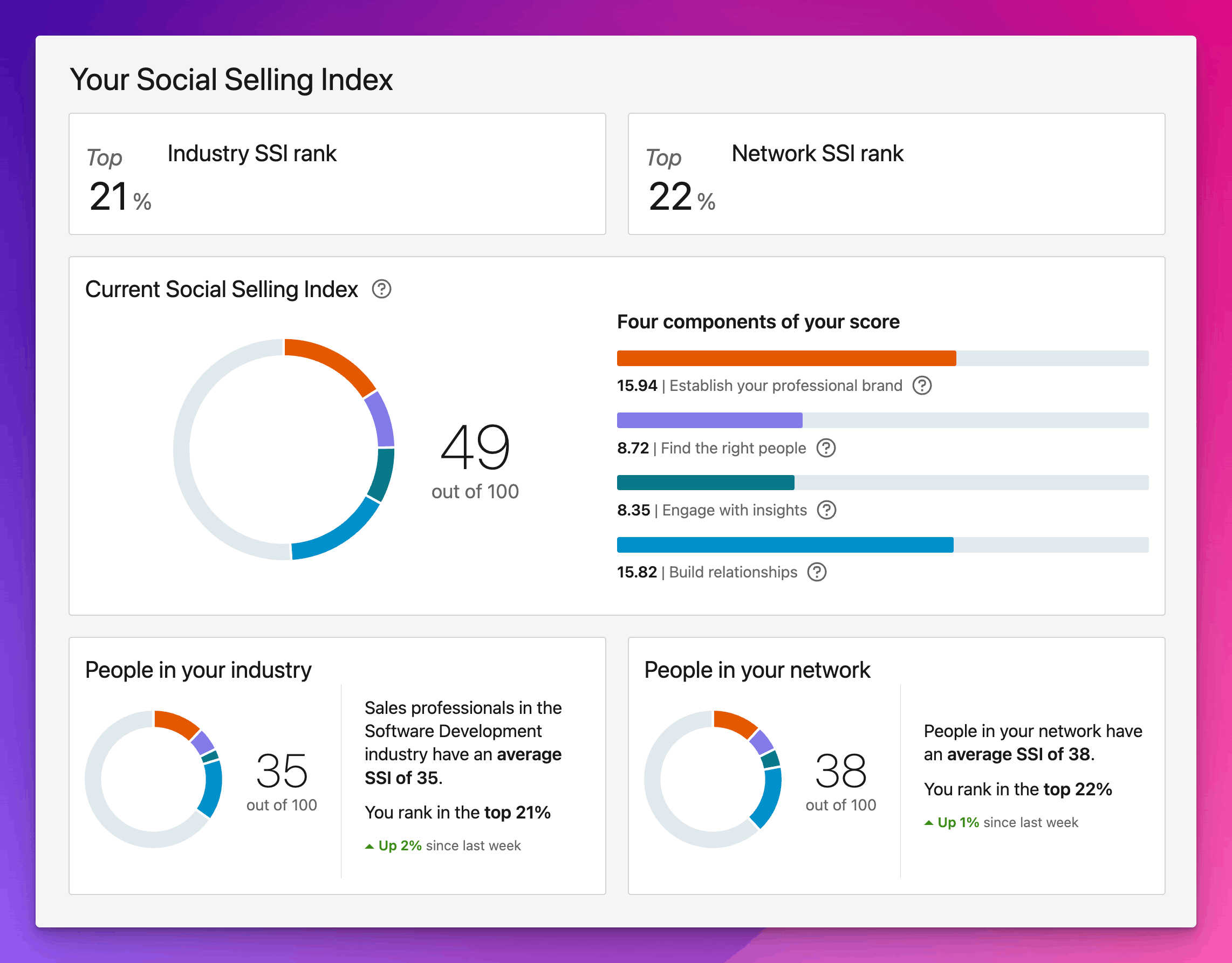
Monitor Your Social Selling Index (SSI): Your Social Selling Index (SSI) reflects how effectively you're building your professional brand, finding the right people, engaging with relevant content, and developing meaningful relationships. While SSI isn't a direct ranking factor, maintaining a strong score often indicates healthy LinkedIn activity and can help you identify areas where your networking strategy can improve.
Building a valuable LinkedIn network is a long-term process. By focusing on relevance, consistency, and authentic engagement instead of aggressive outreach, you'll create stronger professional relationships that generate better conversations, higher trust, and more qualified business opportunities over time.
Step 5: Warm Prospects Before You Ever Pitch
One of the biggest mistakes in LinkedIn prospecting is assuming that a new connection is ready for a sales conversation. In reality, successful outreach begins with building familiarity and credibility before introducing your product or service. When prospects recognize your name and perceive you as a valuable industry resource, they are far more likely to engage in meaningful conversations.
Engage Before Connecting: Interact with your prospect's posts before sending a connection request. Leave thoughtful comments, react to relevant content, or share useful insights to increase familiarity and improve your acceptance rate.
Personalize Every Connection Request: Mention something specific about their role, company, recent achievement, or content they've shared. Personalized invitations demonstrate genuine interest and consistently outperform generic templates.
Provide Value First: After connecting, avoid pitching your product immediately. Instead, share a helpful resource, industry insight, case study, or practical tip that aligns with their interests. Leading with value builds credibility and trust.
Nurture the Relationship: Continue engaging with their content and participate in relevant conversations. Consistent interaction keeps you visible and strengthens the relationship before discussing business opportunities.
Follow Up Thoughtfully: If you don't receive a response, follow up after a reasonable interval rather than sending frequent messages. Respectful, relevant follow-ups help keep the conversation open without appearing overly sales-focused.
Let Your Content Build Trust: Regularly sharing valuable insights, success stories, and educational content reinforces your expertise. By the time you reach out, prospects are more likely to view you as a trusted resource rather than just another salesperson.
Step 6: Turn Content Engagement Into Real Conversations
The most effective LinkedIn lead generation doesn't begin in the inbox it starts with content that provides genuine value and encourages interaction. Instead of asking for meetings in your first message, create posts that educate your audience, solve a specific problem, or share actionable insights. Teach part of a framework, process, checklist, or strategy, then invite readers to comment or send you a direct message if they'd like the complete resource. People who engage with your content are voluntarily expressing interest, making them far warmer prospects than those reached through traditional cold outreach.
Once someone engages:
Respond Promptly and Deliver the Promised Resource: When someone comments or sends you a message, reply as quickly as possible while the interest is still fresh. Deliver exactly what you promised whether it's a guide, checklist, case study, template, or framework. A timely response creates a positive first impression and reinforces your credibility.
Add Qualified Prospects to Your CRM or Lead Management System: Not every engagement will become a customer immediately, but every qualified interaction is valuable. Record relevant details such as their role, company, interests, and the content they engaged with. This allows you to personalize future conversations and maintain an organized follow-up process.
Continue Nurturing the Relationship: After the initial interaction, keep providing value instead of moving directly into a sales pitch. Share relevant articles, industry insights, case studies, or educational content that aligns with their interests and business challenges. Consistent value keeps you top of mind and strengthens the relationship over time.
Transition to Business Discussions Only After Trust Is Established: Once you've built credibility through multiple interactions and understand the prospect's needs, introduce your product or service naturally. Frame the conversation around solving their challenges rather than selling your solution. This approach leads to more meaningful conversations and significantly higher conversion rates.
By turning content engagement into ongoing conversations, your LinkedIn content becomes a reliable source of qualified leads rather than simply a tool for increasing likes and impressions.
Step 7: Extend Reach Through Employee Advocacy
Your company page plays an important role in building brand awareness, but personal LinkedIn profiles consistently generate higher organic reach and engagement. People naturally trust and interact with content shared by individuals more than posts from corporate accounts. Encouraging employees to share valuable industry insights, experiences, and expertise can significantly amplify your brand's visibility while building stronger relationships with potential customers.
A well-executed employee advocacy strategy can:
Expand Brand Visibility: Every employee has a unique professional network. When team members regularly share valuable content, your brand reaches audiences far beyond your company's followers, increasing organic visibility without additional advertising.
Build Trust and Credibility: Content shared by founders, executives, sales professionals, and subject-matter experts feels more authentic than corporate messaging. Sharing personal experiences, lessons learned, and industry expertise helps establish both individual and company credibility.
Increase Engagement: Employees bring different perspectives, experiences, and areas of expertise. This diversity creates more engaging conversations and allows your brand to connect with a wider range of audiences across different industries and job roles.
Generate More Qualified Opportunities: Consistent employee activity often leads to meaningful conversations within their professional networks. These interactions can result in qualified leads, referrals, partnerships, and business opportunities that are difficult to generate through a company page alone.
Strengthen Employer Branding: When employees actively share insights, celebrate achievements, and showcase company culture, they demonstrate what it's like to work within the organization. This not only attracts potential customers but also helps recruit top talent by highlighting your team's expertise and workplace culture.
When multiple employees consistently publish educational, value-driven content, their combined reach can significantly outperform the organic visibility of a company page. Instead of relying on a single corporate voice, employee advocacy transforms your entire team into trusted brand ambassadors, creating greater awareness, stronger credibility, and more meaningful business opportunities.
Common Mistakes That Reduce Organic Reach
Even the best LinkedIn strategy can deliver disappointing results if you're making avoidable mistakes. The platform rewards authentic engagement, consistency, and valuable content, while practices that appear spammy or self-promotional can limit your visibility. Avoid these common pitfalls to maximize your organic reach and build stronger relationships with your audience.
Pitching Too Early: Sending a sales message immediately after someone accepts your connection request is one of the quickest ways to lose trust. Focus on building a relationship first by engaging with their content, sharing valuable insights, and understanding their needs before introducing your product or service.
Sending Generic Connection Requests: Mass connection requests with the same generic message often lead to lower acceptance rates. Personalizing your invitations by referencing a shared interest, recent post, or mutual connection increases the likelihood of acceptance and creates a stronger first impression.
Adding External Links Directly in Posts: LinkedIn aims to keep users on its platform, so posts that immediately direct people to external websites may receive less organic distribution. Whenever possible, deliver valuable insights within the post itself and share external resources only when they genuinely add value.
Using Engagement Pods or Artificial Engagement: Joining engagement pods or exchanging likes and comments solely to boost metrics may provide short-term visibility, but LinkedIn is increasingly able to detect inauthentic engagement patterns. Focus on earning genuine interactions through valuable content instead of trying to manipulate the algorithm.
Frequently Changing Content Topics: Constantly posting about unrelated subjects makes it harder for both your audience and LinkedIn's algorithm to understand your expertise. Publishing consistently around a specific niche or industry helps establish thought leadership, builds audience trust, and improves the likelihood of your content reaching the right professionals over time.
Metrics That Actually Matter
It's easy to get distracted by vanity metrics like follower count or total impressions, but these numbers don't always translate into business growth. To measure the success of your LinkedIn strategy, focus on metrics that indicate genuine engagement, relationship building, and lead generation. Tracking the right performance indicators will help you understand what's working and where you should optimize your content and outreach efforts.
Track the following metrics consistently:
Average Dwell Time or Video Watch Time: Monitor how long people spend reading your posts or watching your videos. Higher dwell time indicates that your content is valuable and engaging, increasing the likelihood of better organic distribution.
Comment Volume and Quality: Don't just count comments evaluate their relevance. Meaningful discussions, thoughtful questions, and industry conversations are much stronger indicators of engagement than likes or reactions alone.
Connection Acceptance Rate: Measure the percentage of connection requests that are accepted. A high acceptance rate suggests your targeting, profile optimization, and personalized outreach strategy are effective, while a low rate may indicate the need for better prospect selection or messaging.
DM-to-Conversation Rate: Track how many direct message interactions evolve into genuine business conversations. This metric helps determine whether your content and outreach are attracting qualified prospects rather than simply generating responses.
Qualified Pipeline and Revenue from LinkedIn: The most important metric is the number of qualified opportunities, meetings, customers, and revenue generated through LinkedIn. Ultimately, the success of your organic strategy should be measured by its contribution to business growth, not just engagement metrics.
Regularly reviewing these metrics provides a clearer understanding of what's driving meaningful engagement, stronger relationships, and measurable business outcomes, allowing you to continuously refine your LinkedIn strategy for better long-term results.
Conclusion
Generating B2B leads on LinkedIn without paid advertising isn't about finding shortcuts or trying to outsmart the algorithm. Success comes from consistently delivering valuable content, building genuine relationships, growing a targeted professional network, and earning trust long before a sales conversation begins.
The LinkedIn algorithm rewards content that captures attention, encourages meaningful discussions, and provides value to its audience. Businesses that focus on educating rather than selling, engaging rather than broadcasting, and nurturing relationships rather than chasing quick wins are far more likely to build a sustainable source of qualified leads.
While organic LinkedIn growth requires consistency and patience, the long-term results are significant. Organizations that invest in this approach develop stronger brand authority, attract higher-quality prospects, reduce customer acquisition costs, and create a predictable pipeline of business opportunities that continues to grow over time.
At Levrez, we help B2B companies turn LinkedIn into a scalable and predictable lead generation channel. From profile optimization and thought leadership content to employee advocacy and relationship-driven outreach, we create strategies that help businesses increase visibility, build credibility, and generate qualified leads organically.
If you're ready to establish a stronger LinkedIn presence and build a sustainable pipeline of high-quality B2B opportunities, Levrez can help you make it happen.